Agentic AI
Where Is My Order? The Hidden Cost of Disconnected Data in Oil & Gas and Energy
Copilot Order Intel 360 agent combines order, inventory, and shipment data into a single answer that is sourced and available within Teams
Copilot Order Intel 360 agent combines order, inventory, and shipment data into a single answer that is sourced and available within Teams
Read this blog on How Agentic AI Is Changing Healthcare Order Management
Discover how Agentic AI is transforming customer experience with autonomous AI agents that deliver personalized interactions, faster resolutions, and proactive support while improving operational efficiency
The Agentic AI Inflection Point: How CIOs Are Turning Pilots into Enterprise-Wide Impact
The Agentic AI Gap: Why Most Organizations Are Not Ready and What Tech Leaders Must Do Now
How Agentic AI Is Transforming Customer Service
Agentic AI in the Field: Enabling Self-Healing Assets and Predictive Maintenance at Scale
Agentic AI in the Field: Enabling Self-Healing Assets and Predictive Maintenance at Scale
Transform Your Customer Experiences with the Agentic AI-powered Dynamics 365 Contact Center
How Agentic AI Is Redefining Field Operations in Oil and Gas and Energy
How aligned is your AI strategy across the organization and business units?
How aligned is your AI strategy across the organization and business units?
What Are the Top 5 Reasons AI Projects Fail to Meet Business Objectives?
In this session, our experts will break down the foundational elements of achieving AI balance—beginning with performance management.
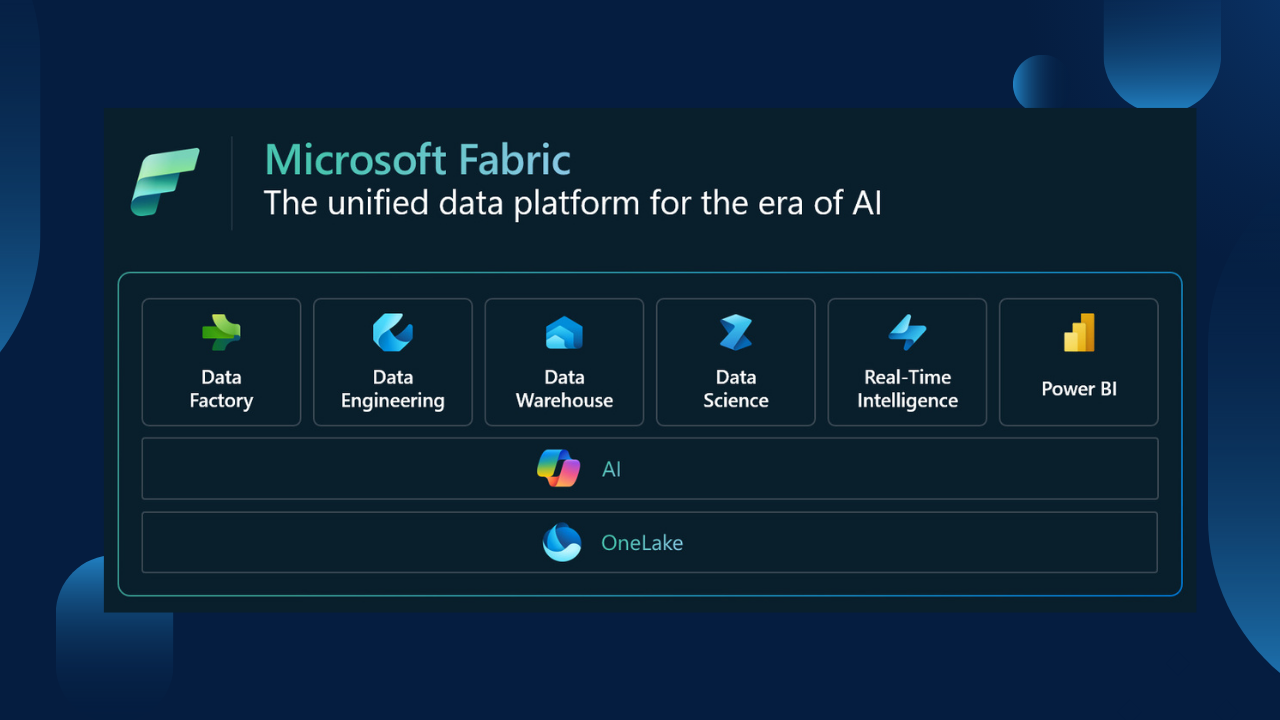
Legacy data can be goldmine—or roadblock. Seamless migration into Microsoft Fabric turns fragmented, outdated systems into a unified, AI-ready platform—unlocking insights, reducing risk, and future-proofing analytics.
Discover how an AI-Ready Contact Center transforms customer experience with intelligent automation, real-time insights, and personalized engagement.
Many organizations test Microsoft Fabric with pilots—but stopping there leaves value on the table. Moving from pilot to production unlocks scalable analytics, automation, and AI-driven insights.
It’s building an AI-first CX strategy—anchored on Microsoft Cloud—that unifies data, connects experiences, and continuously adapts to customer needs.
It’s building an AI-first CX strategy—anchored on Microsoft Cloud—that unifies data, connects experiences, and continuously adapts to customer needs.
It’s building an AI-first CX strategy—anchored on Microsoft Cloud—that unifies data, connects experiences, and continuously adapts to customer needs.
It’s building an AI-first CX strategy—anchored on Microsoft Cloud—that unifies data, connects experiences, and continuously adapts to customer needs.
Discover how Dynamics 365 Customer Service with Copilot helps companies deliver seamless, AI-driven omnichannel support—and why it’s a game-changer for CSAT and retention.
Discover how Dynamics 365 Customer Service with Copilot helps companies deliver seamless, AI-driven omnichannel support—and why it’s a game-changer for CSAT and retention.
Discover how Dynamics 365 Customer Service with Copilot helps companies deliver seamless, AI-driven omnichannel support—and why it’s a game-changer for CSAT and retention.
CompQsoft Digital, a trusted Microsoft partner, stands ready to help guide this journey. We specialize in Microsoft Copilot and Dynamics 365 AI solutions and have helped clients implement these technologies in their contact centers.
Microsoft 365 Copilot is an innovative tool designed to help you streamline your workflow and maximize productivity. If you’re new to this powerful assistant, this guide will help you set it up and utilize its features effectively. Follow these steps to learn how to configure, use, and troubleshoot Microsoft 365 Copilot.> Setting Up Microsoft 365 CopilotEnsure your Microsoft 365 subscription is active and updated to the latest version. Once confirmed, navigate to the Microsoft 365 admin center.
Dynamics 365 vs. Salesforce: A Detailed Comparison to Help You Choose the Right CRM Customer Relationship Management (CRM) systems have become important for businesses aiming to deliver exceptional customer experiences and drive growth. Among the top contenders in the CRM space are Microsoft Dynamics 365 and Salesforce , both widely recognized for their robust capabilities. While both platforms excel in empowering businesses to improve sales, marketing, and customer service, their differences in features, deployment options, integrations, and pricing make it essential to evaluate which one aligns with your business needs. Let’s explore each platform’s key differences, features, and advantages to help you make an informed decision. What is Microsoft Dynamics 365? Microsoft Dynamics 365 is a unified business application suite that combines CRM and ERP functionalities. It offers integrated sales, marketing, customer service, finance, operations, and more platforms. Focusing on seamless connectivity to the broader Microsoft ecosystem, Dynamics 365 enhances productivity and collaboration for businesses of all sizes. Key Features of Dynamics 365 Sales Automation: Streamlines sales processes and improves lead management. Customer Service Management: Delivers personalized customer support. Marketing Automation: Empowers businesses with tools for creating and managing campaigns. Customer Analytics: Provides actionable insights through AI-driven data analysis. Dynamics 365 CRM modules include Sales , Customer Service , Field Service , Remote Assist , Customer Insights , and Commerce , making it a versatile tool for various industries. What is Salesforce? Salesforce is a cloud-based CRM platform known for its user-friendly design and powerful features. It offers a 360-degree view of customers, tracking their interactions, preferences, and history. Salesforce’s modular approach caters to specific business needs, such as sales, service, marketing, commerce, and community management. Key Modules of Salesforce Sales Cloud : Optimizes sales processes and lead nurturing. Service Cloud : Enhances customer service with AI and automation tools. Marketing Cloud : Streamlines marketing campaigns and audience targeting. Commerce Cloud : Supports e-commerce operations and personalized shopping experiences. Experience Cloud : Facilitates collaboration and customer engagement. Salesforce’s strength lies in its vast ecosystem of applications and its commitment to innovation through AI-powered solutions like Einstein. Head-to-Head Comparison: Dynamics 365 vs. Salesforce Feature Salesforce Microsoft Dynamics 365 Deployment Options Cloud-only Cloud and on-premises flexibility Integrations Extensive third-party integrations via AppExchange Seamless integration with Microsoft tools like Outlook, Excel, and Teams User Interface Modern but less familiar to new users Familiar interface consistent with Microsoft apps Industry Specialization Extensive vertical solutions Expanding with Common Data Model AI Integration Einstein AI offers advanced insights AI-driven features like Copilot for industry-specific use cases Pricing Slightly more expensive, especially Marketing Cloud Generally competitive, often more cost-effective for SMBs Extensions Wide variety of apps on AppExchange Apps available on Microsoft’s AppSource Deployment Flexibility Dynamics 365 supports both cloud and on-premises deployment, giving businesses more control over their data. Salesforce, on the other hand, is exclusively cloud-based. Integration Capabilities Microsoft Dynamics 365 seamlessly integrates with Microsoft products such as Microsoft Teams, SharePoint, Excel, and Outlook , making it an ideal choice for organizations already using Microsoft’s ecosystem. Salesforce excels in third-party integrations through its AppExchange and robust APIs. AI-Powered Insights Salesforce’s Einstein AI is deeply embedded across its modules, offering predictive analytics and automation. Dynamics 365’s AI capabilities, including Copilot , are tailored to specific industries like finance, healthcare, and retail, providing actionable insights and automation. User Experience Dynamics 365’s interface is consistent with other Microsoft applications, which accelerates adoption among users familiar with Microsoft products. Salesforce’s Lightning Experience offers a visually appealing and intuitive design but may require a learning curve for users. Why Choose Microsoft Dynamics 365 Over Salesforce? When selecting a CRM, the choice often hinges on how well the platform aligns with your existing infrastructure, scalability needs, and business priorities. Microsoft Dynamics 365 stands out for its unique strengths that can significantly benefit organizations seeking a robust, cost-effective, and future-ready CRM solution. 1. Seamless Integration with the Microsoft Ecosystem Dynamics 365’s integration capabilities are unmatched for organizations already using Microsoft tools such as Outlook, Excel, Teams, and SharePoint. This seamless connectivity boosts productivity and ensures that your team can work with familiar tools, eliminating the need for extensive training and reducing adoption barriers. 2. Cost-Effectiveness In comparison to Salesforce, Dynamics 365 is a more cost-effective choice, especially for small and mid-sized enterprises. Its attractive pricing model delivers substantial value while maintaining robust features, allowing businesses to access high-level functionalities without straining their finances. 3. Deployment Flexibility Unlike Salesforce, which is exclusively cloud-based, Dynamics 365 offers the flexibility of both on-premises and cloud deployments. This is critical for industries with stringent data sovereignty regulations or businesses that want complete control over their data and infrastructure. 4. Unified CRM and ERP Capabilities While Salesforce focuses solely on CRM, Dynamics 365 combines CRM and ERP functionalities into one integrated platform. This unification allows businesses to streamline processes across sales, customer service, marketing, finance, and operations, creating a truly connected enterprise. 5. Familiar and User-Friendly Interface For organizations already leveraging Microsoft products, Dynamics 365’s user experience feels consistent and intuitive. Employees familiar with Microsoft tools can easily adapt to Dynamics 365, accelerating user adoption and improving overall productivity. 6. Tailored AI-Powered Solutions Dynamics 365’s AI features, including Copilot, deliver actionable insights tailored to industry-specific needs. Whether financial forecasting, customer segmentation, or personalized marketing, Dynamics 365 leverages AI to help businesses make smarter, faster decisions. 7. Scalability Across Industries Dynamics 365’s expanding capabilities, built on the Common Data Model, enable it to cater to a wide range of industries. From retail to manufacturing, healthcare, and professional services, its versatility ensures a scalable solution as your business grows. Microsoft Dynamics 365 offers an unparalleled combination of cost-effectiveness, deployment flexibility, and seamless integration with Microsoft’s trusted tools. It’s ideal for businesses looking to optimize operations, maximize ROI, and future-proof their CRM investments. By choosing Dynamics 365, businesses are investing in a platform that supports end-to-end business transformation, not just a CRM solution. Conclusion: Work with an Expert Partner Choosing between Microsoft Dynamics 365 and Salesforce depends on your business goals, existing technology stack, and budget. Both platforms offer exceptional CRM and ERP capabilities, but their differences in deployment, integration, and AI offerings require careful evaluation. Consider partnering with an expert like CompQsoft to ensure a seamless implementation and maximize ROI. With proven experience implementing Dynamics 365 and Salesforce solutions, CompQsoft helps businesses tailor these platforms to their unique needs, ensuring optimal performance and scalability. Ready to find the perfect CRM for your business? Let us guide you through decision-making and accelerate your journey to customer success.